

Running a small business in the UAE comes with big ambitions, but your website doesn’t need to be flashy or over-the-top to make an impact. What you really need is a smart, affordable website that converts visitors into customers.
The best part? Building a results-driven site doesn’t have to drain your time or your budget.
In this post, we’re sharing 10 practical web design tips for small businesses in UAE, simple, effective, and perfectly suited for founders, startups, and SMEs across Dubai, Abu Dhabi, Sharjah, and beyond.
Whether you’re launching your first business or giving your old site a much-needed refresh, these tips will help you create a website that feels modern, works fast, and actually drives results.
Let’s dive in, you’ll be surprised how easy it is to build a UAE-ready website that works as hard as you do.
1. Start Small, but Think Big
When it comes to web design tips for small businesses in the UAE, the golden rule is: keep it simple.
As a Dubai or Abu Dhabi business owner, it’s easy to feel you need all the bells and whistles from day one: fancy animations, complex menus, or every plugin under the sun.
But here’s the reality: a clean, focused, and fast-loading website will always perform better than a cluttered one.
Start with the essentials: a homepage, about page, services or products page, and a clear contact page.
This approach not only saves you time and cost upfront but also gives your visitors a smooth experience across desktop and mobile.
As your business grows, you can scale with extras like a blog, online store, or appointment system.
Think of your website like your business license in Dubai: start lean, stay compliant, and keep upgrading as you grow.
Try This:
Begin with your must-have pages and make sure each one has a single, clear goal, whether it’s getting a lead, booking a service, or showing your credibility.
2. Think Mobile, Always
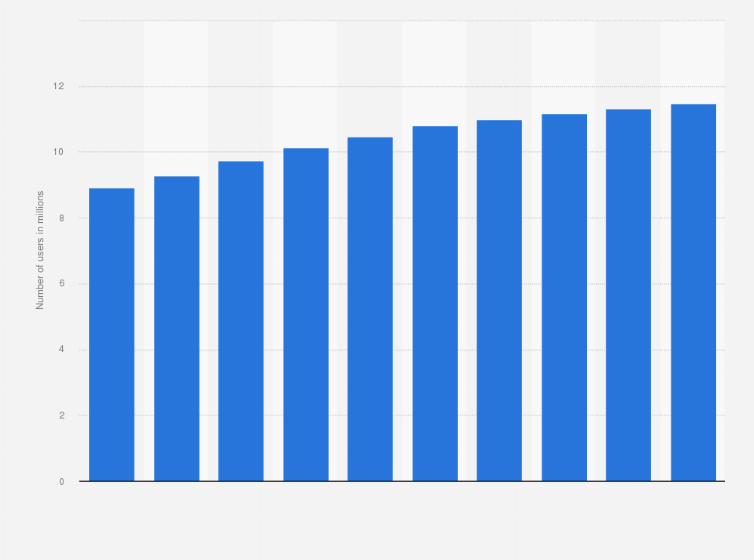
Did you know that over 58% of all website traffic in the UAE now comes from mobile devices?
And that number is only going up, according to Statista, the number of smartphone users in the UAE is expected to reach 11.46 million by 2029, a 9.5% increase from 2024.
That means your next customer will most likely find you on their phone, not their laptop.
If your website doesn’t work seamlessly on mobile, you’re literally leaving leads on the table.
In Dubai and across the UAE, where people browse, shop, and even launch businesses from their phones, mobile-friendly web design isn’t a nice-to-have; it’s a must.
Responsive design ensures your website adapts to any screen size.
Your text should be readable without zooming, your buttons should be easy to tap, and your layout should be clean and fast-loading.
Try This:
- Use Google’s Mobile-Friendly Test to evaluate your site.
- Check that all buttons and links have enough spacing for easy tapping.
- Compress large images and files to improve load times.
- Test your site on both iPhone and Android devices; most UAE users switch between the two.
If your business targets both English and Arabic speakers, make sure your design supports right-to-left layouts smoothly for a polished bilingual experience.
3. Get Professional Design on a DIY Budget
Who says small businesses in the UAE need big budgets to make a great first impression?
With the right tools, you can achieve professional web design results without the agency price tag. Platforms like Canva
make it easy to design your own visuals, from homepage banners to product showcases, all without writing a single line of code or hiring a full-time designer.
- Need a bold hero image that captures Dubai’s energy?
- A clean service banner that fits your brand?
- Or an eye-catching call-to-action button that converts visitors into leads?
Canva has ready-made templates for everything.
And when it comes to visuals, quality matters more than quantity. Free stock sites like Unsplash
and Pexels
offer high-resolution photos that instantly elevate your brand, no blurry or outdated images here.
Try This:
- Pick 2–3 key visuals for your website: like a homepage banner, product image, or testimonial section, and create them using Canva.
- Stick to your brand’s color palette and fonts for a consistent, professional look.
- Replace generic images with ones that reflect your business and audience in Dubai or the UAE, think modern offices, desert skylines, or vibrant local scenes.
Even if you’re designing it yourself, treat your site like your digital storefront. A polished, well-branded look builds instant trust, especially in a competitive UAE market.
4. Skip the Upfront Costs with Website-as-a-Service (WaaS)
For many small businesses in the UAE, the biggest challenge isn’t the idea, it’s the upfront cost of bringing that idea online.
Design, development, content, hosting, it all adds up quickly.
That’s where Website-as-a-Service (WaaS) comes in.
It’s one of the smartest web design tips for small businesses in UAE because it removes the heavy upfront cost and replaces it with a simple monthly plan.
With WaaS, you get a professionally designed, fully managed website that covers everything, hosting, updates, SEO tools, and support, all for a predictable monthly fee.
It’s like having your own web team, but without the hiring headaches or big setup invoices.
This model is perfect for Dubai and UAE founders who want to move fast, stay lean, and keep their website growing alongside their business.
Try This:
- If upfront costs or tech maintenance feel overwhelming, explore WaaS providers like Websity Digital.
- You’ll get everything you need: custom design, hosting, content, and ongoing updates, while staying within your budget.
With a subscription model, your website never goes “out of date.” It keeps improving as your business does.
5. Keep Navigation Simple and Customer-Focused
Ever landed on a website and had no idea where to click?
Your visitors shouldn’t feel that way, especially if you’re running a small business in Dubai or anywhere in the UAE, where attention spans are short and expectations are high.
A clear, customer-focused navigation menu helps users instantly find what they need, whether it’s your services, pricing, or contact details.
Simple navigation isn’t just good design; it’s good business.
Stick to 5–7 menu items and use familiar labels like “About Us,” “Services,” or “Contact.” Avoid confusing jargon or overly creative names that make people guess what’s inside.
A smooth navigation flow can easily decide whether a visitor stays to explore or clicks away.
When in doubt, remember this rule: if a customer can’t find it in 3 seconds, it might as well not exist.
Try This:
- Step into your customer’s shoes. What’s the first thing they’d want to see?
- Arrange your menu to highlight the most valuable pages (services, pricing, contact).
- Keep your navigation visible and consistent across desktop and mobile.
- For UAE-based audiences, consider adding quick links for WhatsApp or an Arabic language toggle for convenience.
Smart, simple navigation builds trust, and trust is the first step to conversion, especially in competitive UAE markets like Dubai and Abu Dhabi.
6. Use Clear Calls-to-Action (CTAs)
One of the most effective web design tips for small businesses in the UAE is to make your website do the talking for you.
Your visitors shouldn’t have to guess what to do next, whether that’s booking a consultation, purchasing a product, or filling out a contact form. That’s where clear, strategic Calls-to-Action (CTAs) come in.
Use short, action-driven phrases like “Book Now,” “Get a Quote,” or “Start Your Project.” These words tell users exactly what to do, and make it easy for them to say yes.
Design your CTAs as bold buttons with contrasting colors that pop against your background. Whether your audience is browsing on a desktop in Abu Dhabi or scrolling on mobile in Dubai, your CTAs should be visible, simple, and hard to miss.
Try This:
- Review each page of your website. Does it guide your visitor toward one clear next step?
- Add a strong CTA that matches each page’s purpose (e.g., “Get a Free Audit” for services or “Subscribe” for blogs).
- Use your brand’s accent color for consistency and better recall.
In the UAE, WhatsApp is a major channel for contact. Try adding a “Chat on WhatsApp” CTA for instant engagement. It feels personal, builds trust, and drives faster conversions.
7. Optimize for Speed
A slow website isn’t just frustrating; it can cost you customers, leads, and even your Google ranking.
That’s why optimizing for speed is one of the most important web design tips for small businesses in UAE.
Whether you’re running a startup in Dubai or a small business in Sharjah, users expect your site to load instantly, especially on mobile.
A fast-loading website improves user experience, boosts engagement, and builds trust. Search engines like Google also reward faster sites with better visibility.
Start with the basics:
- Compress your images to reduce file size.
- Remove unnecessary plugins that slow down performance.
- Choose a reliable hosting provider with UAE or regional servers for faster local load times.
Try This:
- Use Google PageSpeed Insights
to check what’s slowing your site down. - Optimize images using tools like TinyPNG or WebP format.
- Regularly test your site on mobile data connections, that’s how most UAE users browse.
The average UAE user expects a website to load in under 3 seconds. Anything longer, and they’re already clicking away to your competitor.
8. Use Social Proof
One of the most underrated web design tips for small businesses in UAE is also one of the simplest: let your customers speak for you.
Potential clients are far more likely to trust real experiences than polished marketing copy.
That’s where social proof, testimonials, reviews, and case studies come in.
Featuring client feedback on your website instantly builds credibility and trust, especially in markets like Dubai and Abu Dhabi, where competition is high and reputation matters.
Add a section on your homepage or service pages highlighting real testimonials or embed verified Google reviews directly on your site. You can even showcase short case studies that tell success stories from your satisfied clients.
Try This:
- Ask a few happy customers for short, genuine testimonials.
- Include their name, company, or even a photo to make the feedback feel authentic.
- If you’re a Dubai-based business, linking to your Google Business Profile reviews is a strong trust signal for local SEO.
Don’t wait for reviews; ask for them right after delivering great service. A simple “Would you mind sharing your feedback?” can go a long way in growing your online reputation.
9. Update Content Regularly
Here’s one of the easiest yet most overlooked web design tips for small businesses in the UAE, keep your content fresh.
A stale website can make your business look inactive or outdated, especially in a fast-moving market like Dubai, where customers expect instant updates and relevance.
Regular content updates, whether it’s a new blog post, revised service page, or product announcement, show that your business is alive, engaged, and growing.
Fresh content also helps your website perform better on Google. Every time you update your site, you’re giving search engines new material to index, which can boost your visibility and organic traffic.
Try This:
- Set a monthly reminder to review your key pages: homepage, services, and contact information.
- Post short blog updates or announcements about your latest projects or milestones.
- Highlight UAE-specific updates like new partnerships, local events, or product launches to stay relevant to your audience.
Consistency beats perfection. Even one small update a month signals to both your customers and Google that your business is active and trustworthy.
10. Track Performance and Adjust
The final and most data-driven of our web design tips for small businesses in UAE is this: don’t just build your website, measure how it performs.
You can’t improve what you don’t track. By monitoring your website’s analytics, you’ll understand what’s working, what’s not, and where your visitors are dropping off.
Tools like Google Analytics, Search Console, or Hotjar can show you how users find and interact with your site, from which pages get the most visits to how long people stay before leaving.
For UAE businesses, this insight is gold. It helps you optimize pages that attract the most local traffic, tailor your content to Dubai or Abu Dhabi audiences, and focus your marketing where it actually delivers results.
Try This:
- Set up Google Analytics 4 (GA4) to track visitor behavior, traffic sources, and conversions.
- Review your analytics monthly to spot trends and opportunities.
- Use insights to refine your layout, improve CTAs, and update underperforming content.
Don’t ignore local data. If you’re getting steady traffic from Dubai but not converting, look at your content, CTA placement, and contact options; even minor design tweaks can make a significant impact.
11. Master Visual Hierarchy
When it comes to web design tips for small businesses in the UAE, few things impact user experience more than visual hierarchy, how you guide visitors’ eyes across your page.
In simple terms, visual hierarchy is about organizing your design so users instantly know what’s important.
Your headlines, images, buttons, and colors should work together to lead people toward the action you want them to take, whether that’s booking a service, filling out a form, or exploring your products.
In Dubai’s fast-moving digital landscape, attention spans are short. If your design feels overwhelming or unorganized, users will bounce before they even read your message.
Use size, spacing, and color contrast to create a natural flow. Make your key message stand out, like your main headline or call-to-action, and use whitespace to keep things clean and easy to scan.
Try This:
- Highlight your most important element (like your CTA button) using bold colors or a larger font size.
- Use consistent headings (H1, H2, H3) to create a clear visual structure.
- Break up long text with icons, images, or short bullet points.
- Keep enough white space, it makes your site look modern and premium (a big plus for UAE audiences).
Think of your website like a storefront on Sheikh Zayed Road; if everything shouts for attention, nothing stands out. A well-designed hierarchy quietly guides your customer right to the sale.
Your Website Should Work as Hard as You Do
Building a website that looks good is easy.
Building one that actually drives results, attracts leads, converts visitors, and grows with your business, that’s where strategy comes in.
These web design tips for small businesses in UAE aren’t just theory; they’re the foundation of every site that succeeds in a competitive, fast-moving market like Dubai. From clean layouts and mobile responsiveness to social proof and speed optimization, every detail counts.
The best part? You don’t have to do it alone.
At Websity Digital, we help UAE founders and small businesses launch high-performing websites on subscription. That means no heavy upfront cost, no tech stress, and no waiting months for results. Just a beautiful, optimized site built to grow with your business.
Whether you’re starting from scratch or revamping your current site, we’ll handle the design, content, hosting, and ongoing updates, so you can focus on what you do best: running your business.
Explore our monthly website plans and see how easy it is to own a professional website, without the upfront cost.